Appliqué is the process of sewing a piece of fabric onto another piece of fabric. You should use it for large designs because it uses significantly fewer stitches, making the garment lighter and more flexible. It also provides a unique texture (like the fuzzy feel of felt or the shimmer of tackle twill) that thread alone cannot replicate.
Applique Digitizing
- Home
- Digitizing
- Applique Digitizing
Precision Fabric-Integration & Multi-Layer Engineering
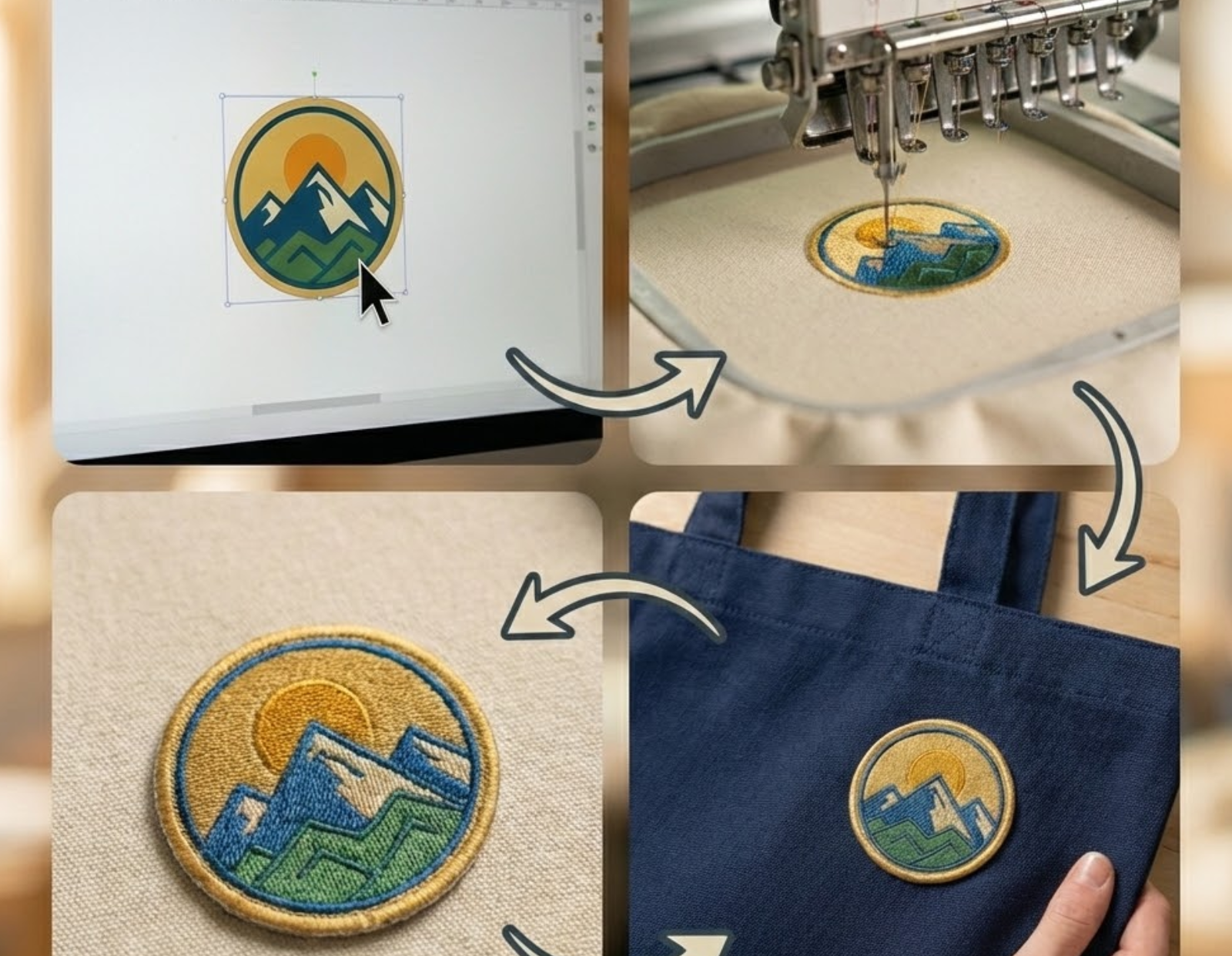
At High Rated Patch, we specialize in professional appliqué digitizing—the technical process of integrating fabric panels into an embroidery design. Appliqué is the industry standard for large-scale branding, varsity letters, and high-end fashion where bold visual impact is required without the extreme weight or stiffness of a 100% thread-filled design. We focus on multi-stage pathing, ensuring that your fabric inserts are perfectly anchored and finished with clean, durable borders.
Our appliqué process includes Material-Specific Calibration. We don't just create a simple border; we engineer the stitch logic based on the fabric being used—whether it’s traditional felt, tackle twill, or specialized printed fabrics—to ensure a professional, retail-ready finish that withstands the rigors of industrial washing.

Multi-Stage Technical Pathing
The hallmark of professional appliqué digitizing is the "Three-Step" process. At High Rated Patch, we engineer every file with three distinct machine commands:
- Placement Stitch: A light run-stitch that shows exactly where the fabric needs to be placed on the garment.
- Tack-Down Stitch: A specialized zigzag or lockdown stitch that permanently secures the fabric panel in place before the final finishing.
- Cover Stitch: A high-density satin or decorative border that completely seals the raw edges of the fabric, preventing fraying and providing a premium 3D look.

Weight Optimization & Large-Format Stability
Appliqué is the most efficient method for decorating large surface areas, such as 12-inch jacket backs or oversized hoodies. By replacing heavy thread fills with fabric panels, we reduce the overall stitch count by up to 80%. This results in a garment that is lighter, more flexible, and more comfortable to wear, while also significantly reducing machine run-time and production costs.
Technical Specifications & Features
Our applique digitizing service provides production-ready files optimized for all major industrial embroidery machine brands.
- File Formats
- Design Features
DST (Tajima)
The universal industry standard for industrial embroidery machines. It contains all stitch and jump data without proprietary color locks.
PES (Brother/Baby Lock)
The primary format for many multi-needle and home-professional machines.
EXP (Melco/Bernina)
A high-precision format used by Melco industrial systems, similar to DST but with specific scaling logic.
EMB (Wilcom Master File)
The "Source Code" of your design. It preserves all object properties, allowing for easy resizing and density adjustments.
VP3/HUS (Husqvarna/Viking)
Optimized for specific European machinery and high-end embroidery setups.
JEF (Janome)
A specialized format for Janome industrial and professional-grade systems.
PDF Production Worksheet
We provide a technical "spec sheet" including stitch counts, color sequences, and size dimensions for your production team.
Custom Density Calibration
We adjust the number of stitches per millimeter based on the thread weight and fabric type to prevent "birdnesting" or fabric show-through.
Underlay Strategy
We engineer "foundation stitches" (center run, zigzag, or tatami) to stabilize the fabric and provide a 3D lift to the top stitching.
Automated Trim Reduction
We manually sequence the design to eliminate unnecessary thread trims, resulting in a cleaner finish and faster machine run-times.
Small Text Optimization
We utilize specialized "micro-stitch" settings for lettering as small as 4mm to ensure legibility and needle safety.
Satin vs. Tatami Mapping
We strategically assign Satin stitches for borders and high-gloss areas, and Tatami (Fill) stitches for large surface areas to balance texture and weight.
Appliqué Pathing
For large patches, we provide specialized "tack-down" and "cover-stitch" paths to integrate fabric inserts with embroidery.
Showcase
Recent Applique Digitizing Projects
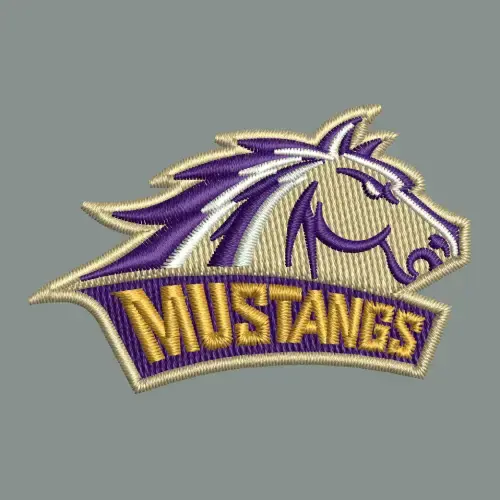
Browse our digitizing gallery to see the "Stitch Map" vs. the "Final Result," demonstrating the precision and texture we bring to every design.
FAQs
Have Any questions?
Find answers to the most common questions about the digitizing process and how it affects the quality of your custom patches.
What is Appliqué and why should I use it instead of full embroidery?
What is the difference between "Pre-Cut" and "Hand-Trim" appliqué?
Pre-Cut means the fabric panels are cut to the exact shape (using a laser or cutter) before being put on the machine. Hand-Trim means you place a large square of fabric down, and after the "tack-down" stitch, the operator trims the excess fabric with scissors. We can digitize for both methods, but Pre-Cut is faster for large production runs.
Can you provide the files for my laser cutter?
Yes. When we digitize an appliqué file, we can provide an SVG or DXF file that matches the "Placement Stitch" exactly. You can use this file with a laser cutter or Cricut to cut your fabric pieces perfectly so they fit into the embroidery design like a puzzle piece.
How do you prevent the fabric from fraying at the edges?
We use a Two-Layer Protection strategy. First, we use a "Tack-Down" stitch to lock the fibers. Then, we apply a wide, high-density "Satin Border" (Cover Stitch) that completely encapsulates the raw edge of the fabric. This creates a permanent seal that won't fray, even after industrial laundering.
What is "Double-Layer" or "Stacked" Appliqué?
This is a premium technique where two different colors of fabric are used. For example, a white letter "A" sitting on top of a larger black background piece. It creates a bold, 3D "outline" effect and is the hallmark of high-end sports team branding and university apparel.
Can I use appliqué on thin t-shirts?
Yes, but it is best to use a Lightweight Appliqué technique. Because appliqué uses fewer stitches than full embroidery, it is actually safer for thin fabrics as it causes less "puckering." We adjust the border density to ensure the garment stays soft and wearable.
Why do you need "Machine Stops" in an appliqué file?
The machine needs to stop after the "Placement Stitch" so you can put the fabric down, and again after the "Tack-Down" so you can trim (if hand-trimming). We program these as "Color Changes" in the DST file, which tells the machine to pause and wait for the operator.
What is the best fabric to use for appliqué patches?
Tackle Twill is the industry standard for sports, while Felt is classic for varsity jackets. However, you can use almost anything—printed cotton, metallic vinyl, or even jersey fabric. Just let us know what material you are using so we can adjust the "Push-Pull Compensation" for that specific thickness.
Can you digitize small details inside an appliqué piece?
Yes. This is called a Hybrid Design. We use appliqué for the large background areas and then digitize standard embroidery on top of the fabric insert for the fine details, text, or highlights. This gives you the best of both worlds: the texture of fabric and the detail of thread.
How do I apply heat-activated appliqué?
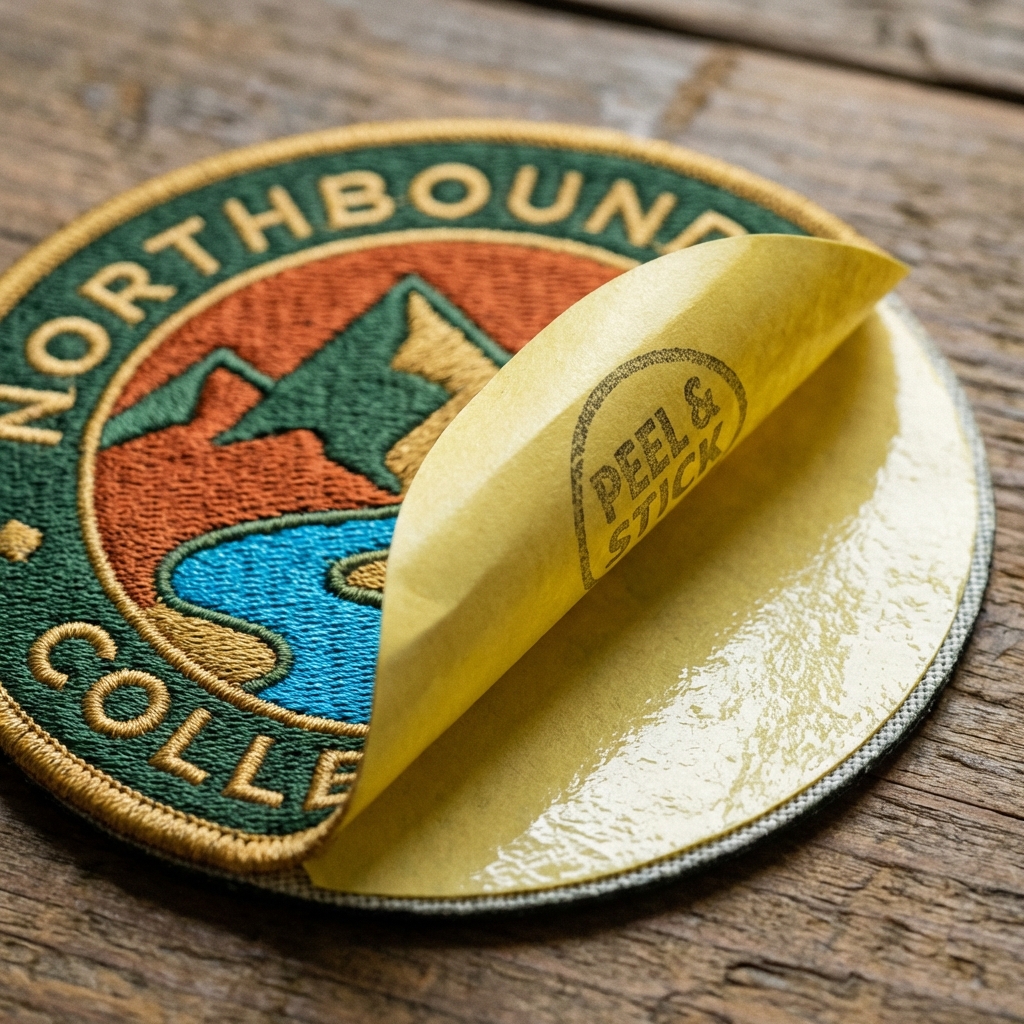
Some appliqué fabrics come with a "heat-seal" glue on the back. After the machine finishes the embroidery, you use a heat press to permanently bond the fabric insert to the garment. This provides extra stability and ensures that the large fabric panel stays perfectly flat and wrinkle-free forever.
Call Us Now