The main difference is the texture and volume. Standard embroidery uses flat, tight stitches of thin thread. Chenille uses a "loop-stitch" process with thick, fuzzy yarn, resulting in a 3D "carpet-like" feel. While embroidery is better for fine, tiny details, chenille is far superior for large letters, numbers, and bold icons where a soft, tactile, and high-impact look is desired.
High-Pile Varsity & Luxury Chenille Patches
At High Rated Patch, we specialize in the manufacturing of custom chenille patches, the industry standard for varsity jackets, academic awards, and luxury streetwear. Unlike flat embroidery, chenille is created using a specialized loop-stitch technique that uses vaulted acrylic or wool yarn to create a soft, "fuzzy" 3D texture. Our patches are engineered for maximum volume and durability, providing a nostalgic, retro aesthetic combined with modern structural integrity.
Our chenille products are designed for high-impact branding where tactile dimension is required. By utilizing heavyweight felt substrates and high-density yarn loops, we ensure that every patch maintains its "loft" and vibrant color, even when applied to heavy fleece, wool, or leather garments.

Precision Loop-Stitch Architecture
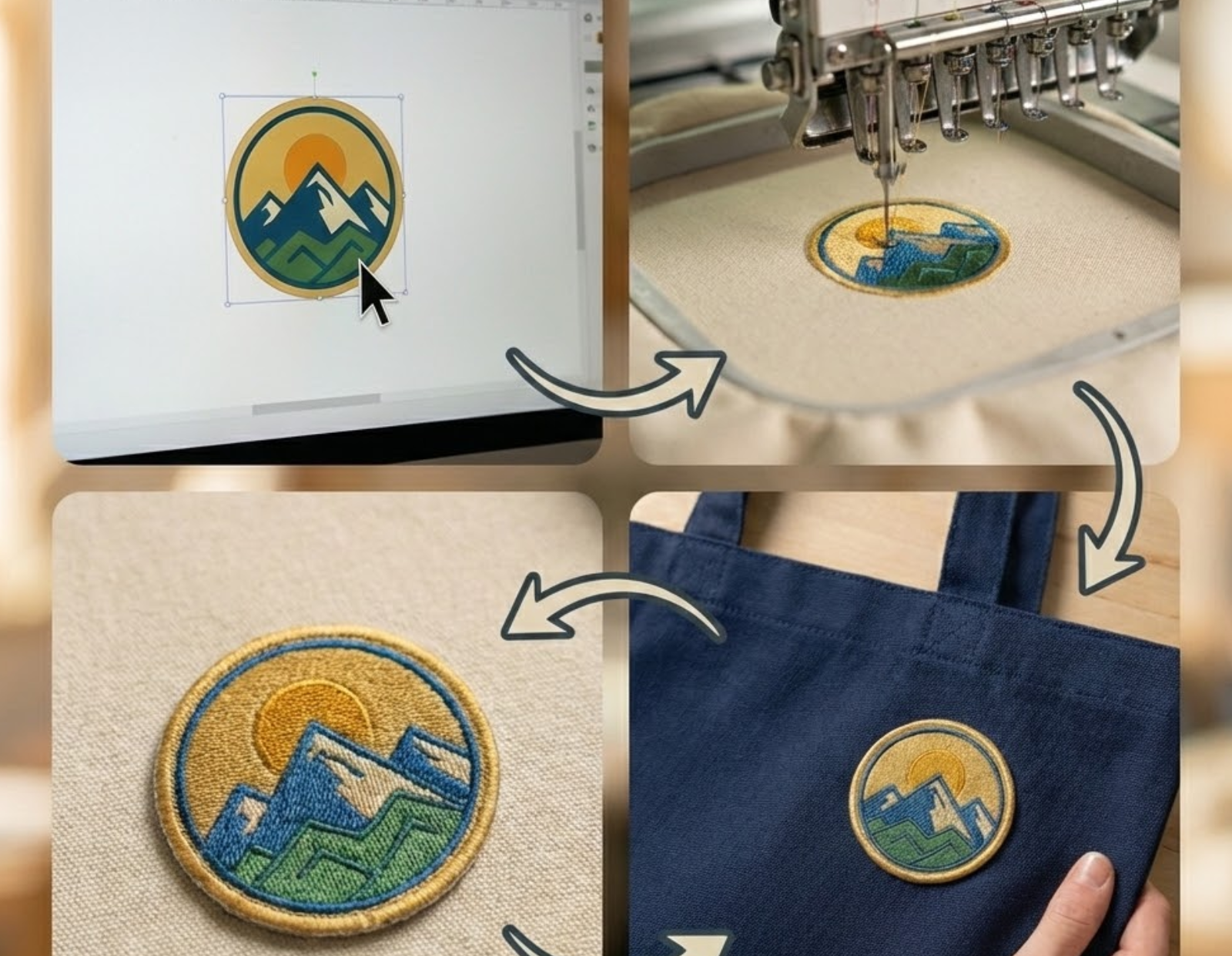
The hallmark of our chenille patches is the precision of our loop-stitch technology. We utilize specialized machines that pull yarn through the backing to create a consistent, high-pile surface. This process creates a "cushion" effect that adds significant depth to logos and letters. To ensure the design remains sharp, we often combine chenille with a technical embroidery overlay, using standard thread to define fine details or borders that the thicker chenille yarn cannot achieve alone.
From fine text to complex artwork, our stitching delivers depth and clarity without compromising fabric integrity. Each patch is quality-checked to ensure strong stitch bonding, minimal thread breaks, and long-lasting performance, making it suitable for uniforms, branding, and everyday wear.

Heavyweight Felt & Twill Substrates
Because chenille yarn is inherently voluminous, it requires a robust foundation. We utilize multi-layered industrial felt or high-denier polyester twill as the base for our patches. This not only provides the necessary stability for the loop-stitching but also allows for a "double-felt" look—a classic varsity technique where a second layer of felt is used to create a contrasting color border around the entire design, enhancing the 3D pop.
Customization
Choose from a variety of backing and border options to perfectly suit your patch's purpose and style.
- Backing Options
- Border Options
Sew-On Backing
A traditional, permanent method that ensures maximum durability for uniforms and heavy-duty apparel through direct stitching onto the garment fabric.
Iron-On Backing
A convenient and popular choice that allows you to apply patches easily using a standard heat press or household iron.
Adhesive Backing
A versatile, temporary solution perfect for events and short-term applications where patches need to be applied quickly without using heat.
Hook-and-Loop Backing
A two-part system designed for maximum versatility, allowing patches to be easily interchanged on tactical gear, uniforms, and specialized outerwear.
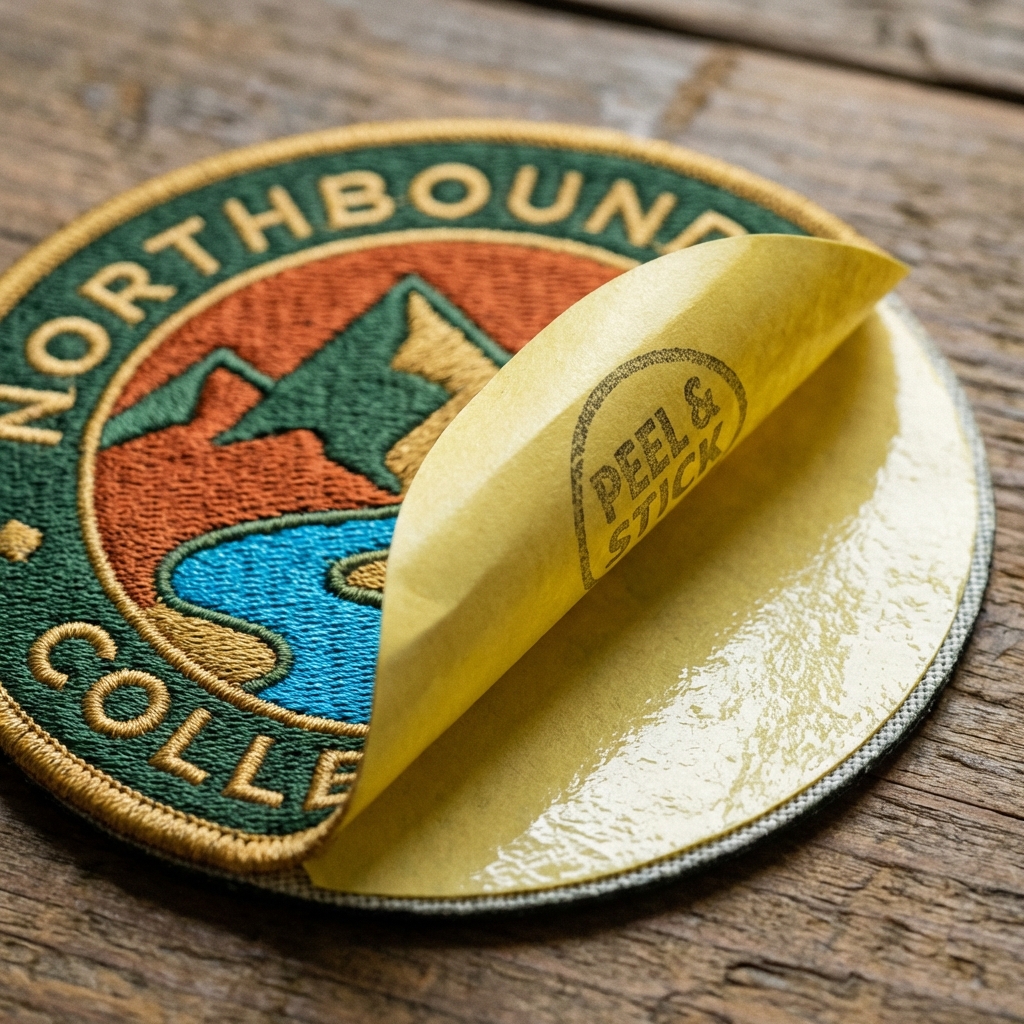
Peel-and-Stick Backing
An instant attachment method featuring a pressure-sensitive adhesive, ideal for one-time events, product launches, or temporary promotional branding needs.
Velcro Backing
A highly reliable, reusable backing that provides a secure grip while allowing for frequent repositioning on caps, bags, and professional uniforms.
Merrow Border
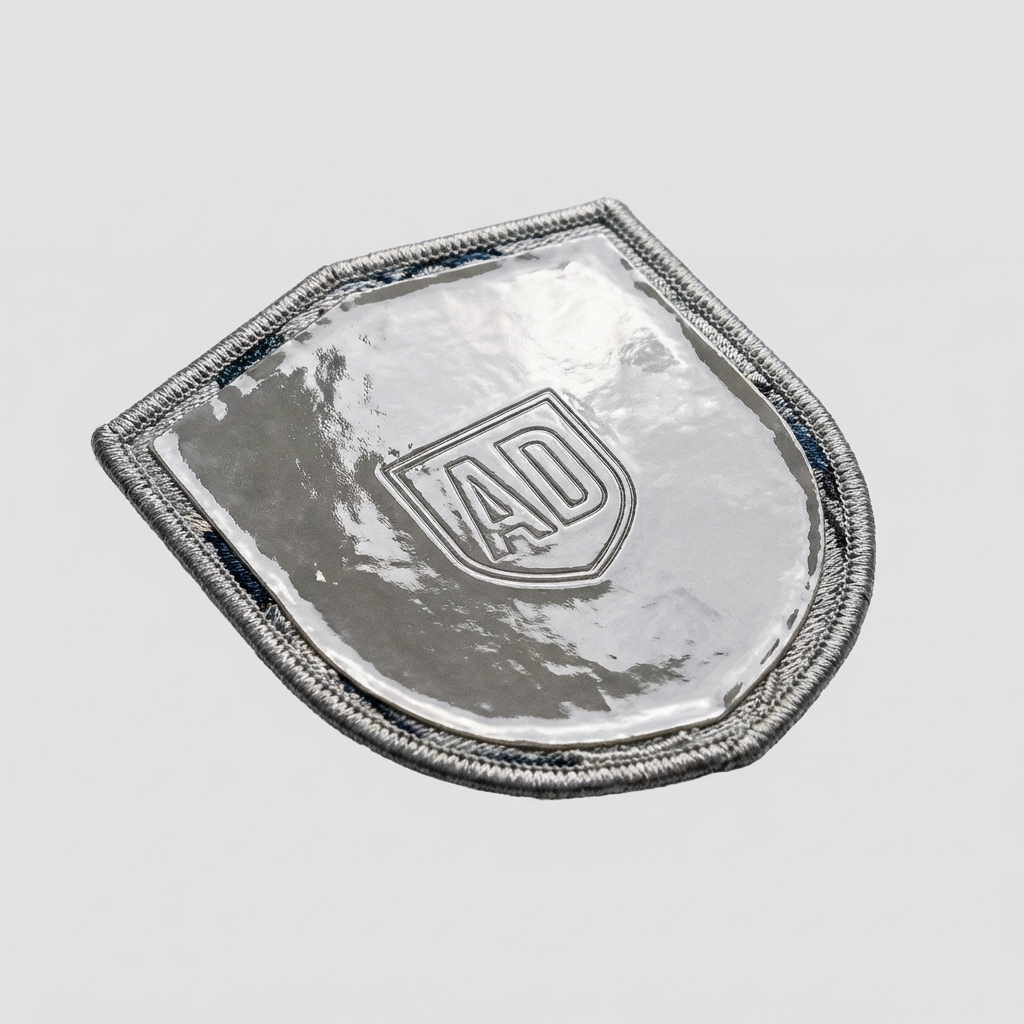
A classic, heavy-duty overlock stitch that creates a raised, rounded edge, providing a traditional finish ideal for standard shapes like circles, squares, and shields.
Heat-Cut Border
A precise finishing technique that uses heat to seal the edges of custom-shaped patches, effectively preventing fraying while maintaining a clean, sharp, and low-profile look.
Laser-Cut Border
An advanced manufacturing method using high-precision lasers to achieve intricate, complex shapes and internal cutouts that traditional cutting tools simply cannot replicate with such accuracy.
Stitched Border
A sleek and professional flat-stitch finish applied directly to the edge, perfect for thinner patches or designs requiring a modern, streamlined aesthetic on high-performance apparel.
Showcase
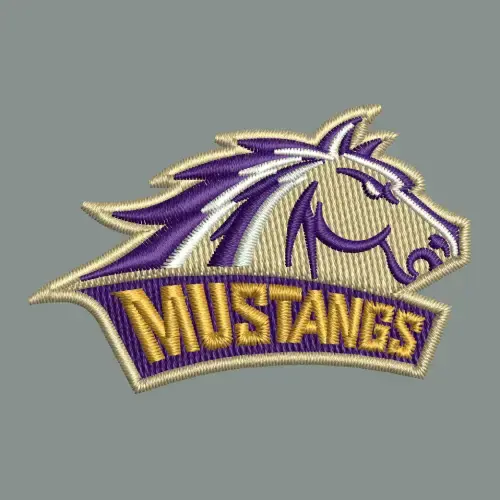
Recent Embroidered Patches Work
Browse our latest precision-stitched projects to see the quality and expert craftsmanship we provide for brands and organizations worldwide.
FAQs
Have Any questions?
Find answers to the most common questions about our custom patches, embroidery services, and ordering process.
What makes chenille patches different from standard
embroidered patches?
Can I include small text or fine details in a chenille
design?
Chenille yarn is much thicker than embroidery thread, meaning it cannot render very fine lines or tiny text (anything under 0.5 inches). To solve this, we often create Hybrid Patches. We use chenille for the large, fuzzy areas and then use standard embroidery to "trace" the fine details or add small taglines inside the design, ensuring you get both the 3D texture and the necessary legibility.
Are chenille patches durable enough for frequent washing?
Yes, our chenille patches are manufactured with high-tenacity acrylic yarn that is colorfast and resistant to pilling. However, because of the fuzzy loop structure, we recommend washing garments inside out on a gentle cycle and air-drying. This prevents the yarn loops from snagging on other clothing items and maintains the "loft" of the pile for years of use.
Why is felt usually used as the backing for chenille?
Felt is the industry-standard substrate for chenille because its fibrous structure allows the loop-stitch needle to pass through easily while providing enough "grip" to hold the thick yarn in place. It also provides the classic "Letterman jacket" look. We use industrial-grade, non-fray felt to ensure the edges stay clean and sharp throughout the life of the patch.
What is "Double Felt" and why is it popular?
Double felt involves using two layers of felt base instead of one. The bottom layer is cut slightly larger than the top layer, creating a "step" or a "shadow" border in a contrasting color. This is a hallmark of high-end varsity branding, as it adds even more physical dimension and makes the patch stand out significantly on dark fabrics like navy or black wool.
Can I use chenille patches on hats or caps?
Yes, but we recommend choosing a smaller size. Because chenille is thick, it works best on unstructured or "Dad" hats and beanies. For structured caps, we suggest a low-pile chenille or a hybrid design to ensure the patch doesn't interfere with the fit or shape of the headwear.
How do I apply an iron-on chenille patch?
Due to the thickness of the chenille yarn, you should apply heat from the underside of the garment. Placing the heat press directly on the "fuzzy" side can flatten the loops. We recommend 300°F-320°F for 15-20 seconds from the back of the fabric to ensure the heat reaches the adhesive through the thick felt base.
Is there a limit to how many colors I can use in a
chenille patch?
While there is no strict technical limit, most chenille designs look best with 1 to 4 colors. Because the yarn is thick, using too many colors in a small area can cause the design to lose its shape. Our team provides free design consultations to help you optimize your color palette for the best 3D result.
Call Us Now